India on the Streets: October 10 Protest Raises Questions Over Electoral Transparency
Opposition Groups and Protesters Challenge the Election Commission Over Voter-List Revision, Demanding Accountability, Transparency, and Protection of Democratic Rights.
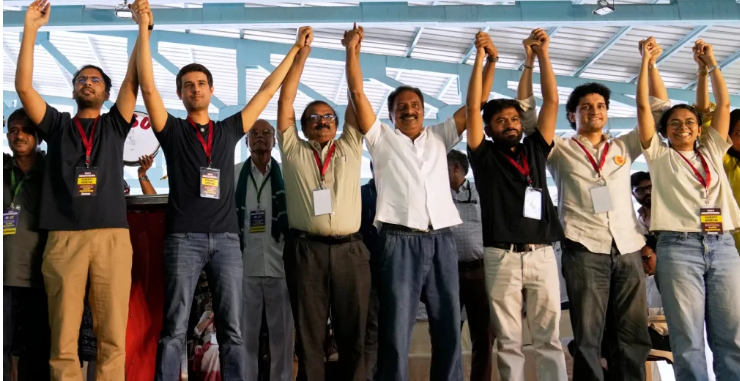
India's political debate over electoral transparency has intensified ahead of a proposed protest on October 10, 2026, in New Delhi. The mobilisation centres on allegations concerning the Special Intensive Revision (SIR) of electoral rolls and demands for greater accountability from the Election Commission of India. Protest organisers argue that the removal of names from voter lists could deprive eligible citizens of their constitutional right to vote, while the controversy has renewed broader questions about the independence, credibility, and transparency of the institutions responsible for conducting elections in the world's largest democracy. The planned demonstration is intended to draw public attention to these concerns and press for a process through which disputed voter deletions can be independently examined and corrected.
The controversy has placed Chief Election Commissioner Gyanesh Kumar at the centre of political criticism. Protest organisers and their supporters have called for his resignation and demanded greater scrutiny of the voter-list revision process. Their principal concern is that eligible voters must not be excluded because of administrative errors, inadequate verification, or insufficient opportunities to challenge incorrect deletions. At the same time, the Election Commission's stated purpose in revising electoral rolls is to maintain accurate voter lists by identifying duplicate entries, deceased electors, and individuals who are no longer eligible. The central question, therefore, is not whether electoral rolls should be updated, but whether the process is conducted transparently, consistently, and with sufficient safeguards to protect every eligible voter. Allegations of wrongful deletion require evidence and independent verification rather than being treated as established facts.
The proposed protest also highlights a larger debate about democratic accountability in India. Elections are not defined solely by the act of casting a ballot; they depend on public confidence that eligible citizens can register, access accurate information, challenge administrative mistakes, and participate without discrimination. When questions arise about voter registration, the credibility of the entire electoral process can come under scrutiny. Political parties and civil society groups have a legitimate role in raising concerns, while election authorities have a responsibility to provide clear explanations, publish verifiable information, and ensure accessible grievance-redressal mechanisms. Any assessment of the controversy must distinguish between documented cases of wrongful deletion, allegations made by political organisations, and the official explanations provided by election authorities.
Reports surrounding the proposed demonstration indicate that Delhi Police has denied permission for the planned gathering, citing administrative and public-safety concerns. Such restrictions raise additional questions about how authorities balance public order with the right to peaceful assembly. The specific circumstances of the permission decision, the organisers' response, and whether any legal challenge or alternative protest arrangement follows are important to establishing a complete account. A proposed protest should not automatically be described as a nationwide movement, nor should every allegation made by its organisers be presented as independently verified. The scale of participation, the locations involved, and the actions taken by authorities must be confirmed through reliable reporting.
Ultimately, the October 10 mobilisation brings attention to an issue that extends beyond any individual political party or election official: the integrity of the democratic process. A credible electoral system must protect eligible voters from wrongful exclusion while maintaining accurate and legally compliant voter lists. That requires transparent procedures, accessible appeals, timely corrections, and independent scrutiny wherever credible evidence of irregularities emerges. Whether the protest succeeds in securing political concessions or institutional changes will depend on public participation, the strength of the evidence presented, and the responses of the relevant authorities.
The fundamental principle is straightforward: every eligible Indian citizen must have a fair opportunity to vote, and every institution responsible for safeguarding that right must be prepared to explain its decisions. Democracy depends not only on elections being conducted, but also on citizens having confidence that the process is fair, accountable, and open to scrutiny.