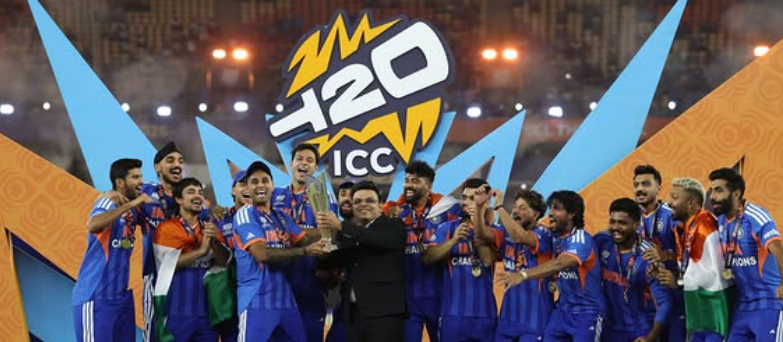
The Rise of India’s T20 Cricket Team
From Underdogs to a Global Powerhouse in the Shortest Format of the Game
The rise of India’s T20 cricket team represents one of the most significant transformations in modern cricket. Over the past two decades, India has evolved from an uncertain participant in the shortest format of the game to one of the most dominant and influential forces in international T20 cricket. This transformation has been driven by a combination of strategic leadership, the development of aggressive playing styles, strong domestic structures, and the emergence of world-class players capable of performing under high pressure.
India’s journey in T20 cricket began with a historic breakthrough in the inaugural 2007 ICC Men's T20 World Cup. Under the leadership of MS Dhoni, a young and relatively inexperienced Indian squad surprised the cricketing world by winning the tournament. The victory was particularly memorable because India defeated arch-rival Pakistan national cricket team in a dramatic final. This triumph not only established India as an early powerhouse in the T20 format but also changed the perception of the shortest version of cricket, making it highly popular among fans.
Following this success, India strengthened its T20 ecosystem through the launch of the Indian Premier League in 2008. The league quickly became one of the most influential sporting competitions in the world. By bringing together international stars and emerging Indian talent, the IPL created a competitive environment that accelerated player development. Young cricketers gained exposure to high-pressure situations, modern strategies, and advanced training methods. This system allowed India to continuously produce talented players ready to perform at the international level.
Over the years, India’s T20 team has been shaped by several exceptional players who combined power hitting, tactical awareness, and adaptability. Leaders such as Virat Kohli and Rohit Sharma have played major roles in establishing consistency and stability in the team. Their ability to perform in high-stakes matches has helped India remain competitive in global tournaments and bilateral series. At the same time, the rise of all-rounders, fast bowlers, and dynamic fielders has strengthened the team’s balance and versatility.
Another key factor behind India’s success in T20 cricket has been its ability to adapt to the evolving nature of the format. Modern T20 cricket demands aggressive batting, innovative shot-making, specialized bowling strategies, and exceptional fielding standards. India has embraced data analytics, advanced fitness programs, and tactical experimentation to remain competitive in this fast-changing environment. As a result, the team has developed a reputation for its explosive batting line-ups and strategic depth.
India’s consistent performances in global tournaments such as the ICC Men's T20 World Cup have reinforced its status as a major force in world cricket. Even in tournaments where India did not win the title, the team frequently reached the later stages, demonstrating its ability to compete at the highest level. This sustained presence among the top teams reflects the strength of India’s cricketing infrastructure and talent pipeline.
Beyond trophies and statistics, India’s rise in T20 cricket has had a broader impact on the global cricket landscape. The country’s strong fan base, commercial power, and influence in cricket administration have contributed to the worldwide popularity of the T20 format. Matches involving India often attract massive global viewership, further strengthening the economic and cultural influence of the sport.
In conclusion, the rise of India’s T20 cricket team is the result of a well-developed cricketing system, visionary leadership, and the continuous emergence of exceptional players. From its breakthrough victory in the 2007 T20 World Cup to its sustained presence among the world’s top teams, India has established itself as a central force in the evolution of modern T20 cricket. As the format continues to grow globally, India’s role in shaping its future is likely to remain significant.